
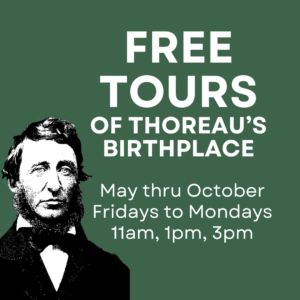
Visit Thoreau’sBirthplace
TOURS OF THE THOREAU FARM
Learn about Henry David Thoreau and living deliberately. House Tours: May through October, Fridays, Saturdays, Sundays & Mondays at 11:00 am, 1:00 pm, and 3:00 pm. Admission is free. Suggested Donation $5/person
You do not need to take a tour to visit the grounds. Arrange a special tour by contacting us at info@thoreaufarm.org.
 learn at the birthplace, everyday.

From dawn until dusk, explore Thoreau’s backyard.
Outdoor signage supported by a 2024 Partnership Grant from Freedom’s Way National Heritage Area.

Learn More About Visiting Thoreau Farm
As of January 2026, Thoreau Farm has merged with the Thoreau Society to form the Thoreau Alliance. We look forward to working together to share Thoreau’s timeless insights about nature, society, and living deliberately.
See Upcoming Events
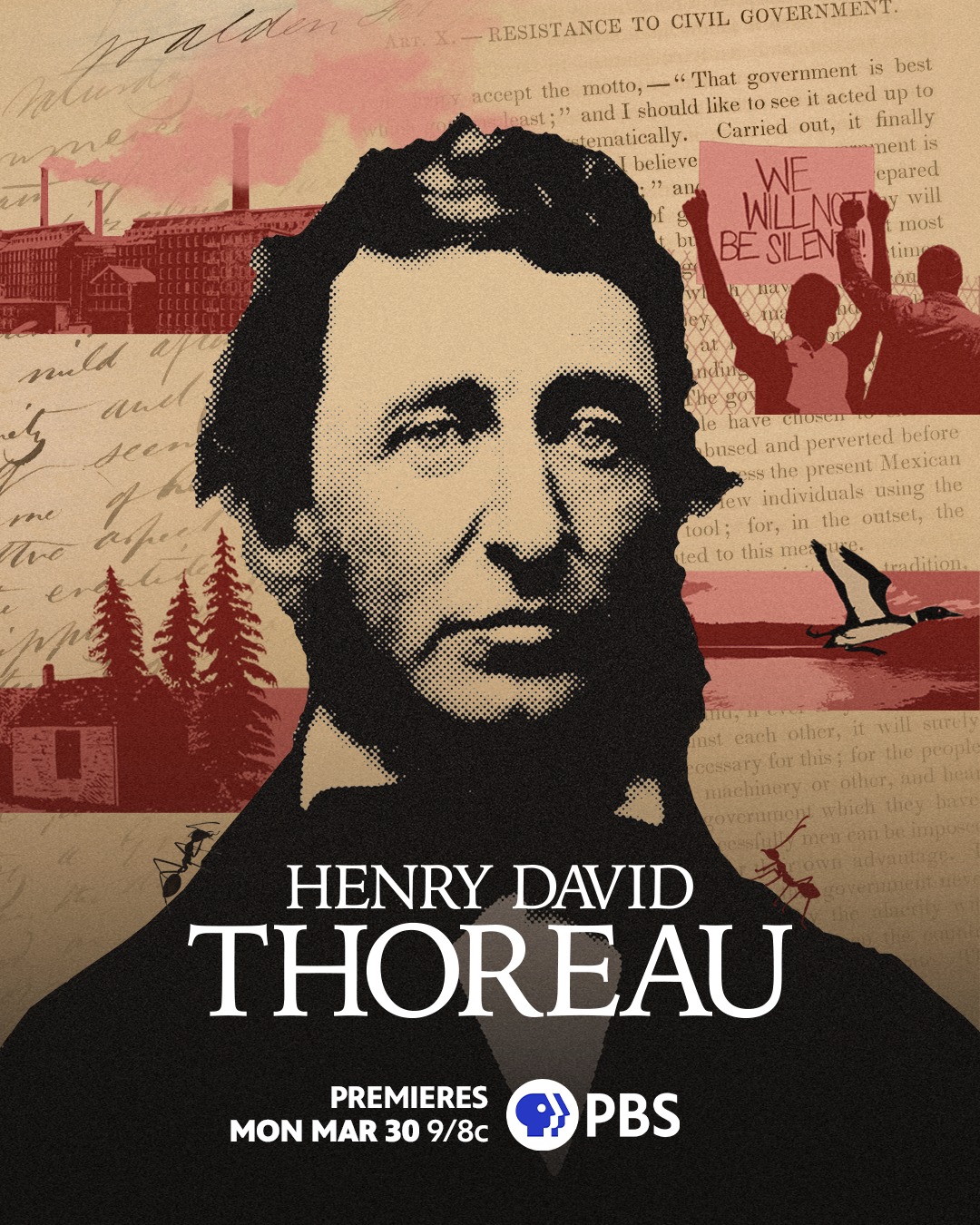
Ken Burns presents
HENRY DAVID THOREAU
A film by Erik Ewers and Christopher Loren Ewers
Learn about Henry David Thoreau’s life and work in the context of antebellum New England and the larger United States, as well as through the universal themes he focused on in his writings: an individual’s relationship to the state, how to live an authentic life, our connection to nature, and the impact of race on American life.
Learn More
The great person never wants an opportunity to be great but makes occasion for all about him.— Henry David Thoreau, Journal, June 1, 1841
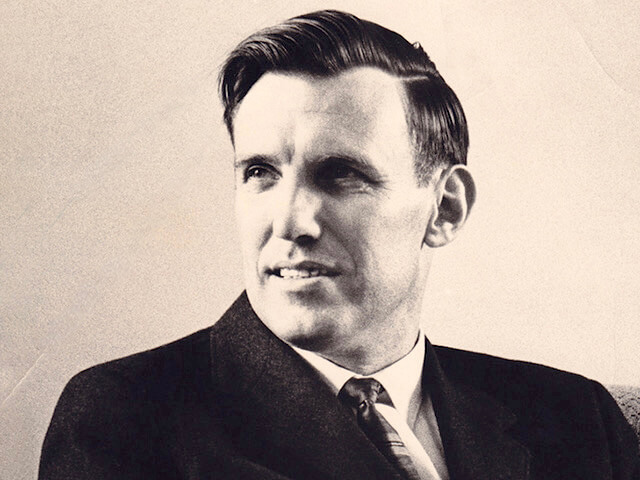
Remembering Thoreau Farm Trust founding member
Joe Wheeler (1926-2024)
Joe Wheeler was instrumental in saving Thoreau’s birthplace and establishing Thoreau Farm as a place of pilgrimage in Concord. Members of the Thoreau Farm Trust remember him as a forward-thinking, wise, and wonderful leader and friend. Read More
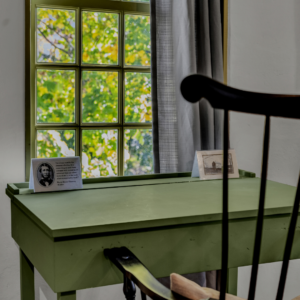 “Write while the heat is in you.”
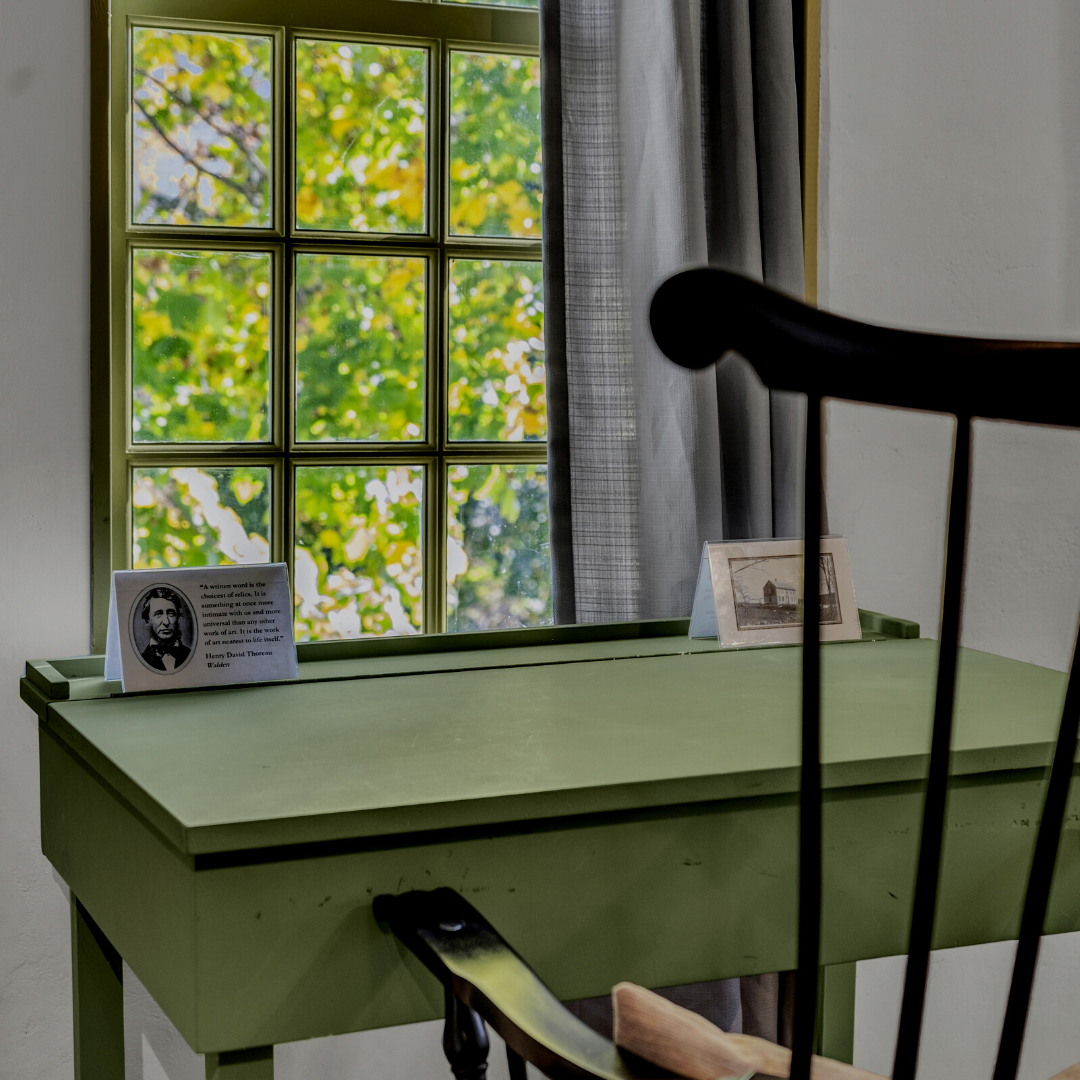
The Writer’s Retreat at Thoreau Farm
Rent the birth room of Henry David Thoreau —a sanctuary where you can write your masterpiece!
Proceeds support the preservation of Thoreau Farm, the “Birthplace of Ideas.” Reserve your time in the Writer’s Retreat or give it as a gift!
Email us at info@thoreaufarm.org to make a reservation today.
Learn More About the Writer’s Retreat at Thoreau Farm
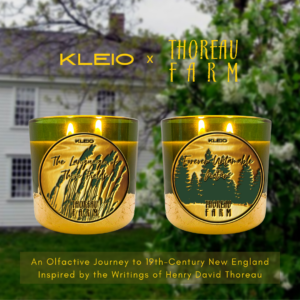 KLEIO x Thoreau Farm Candle Collection
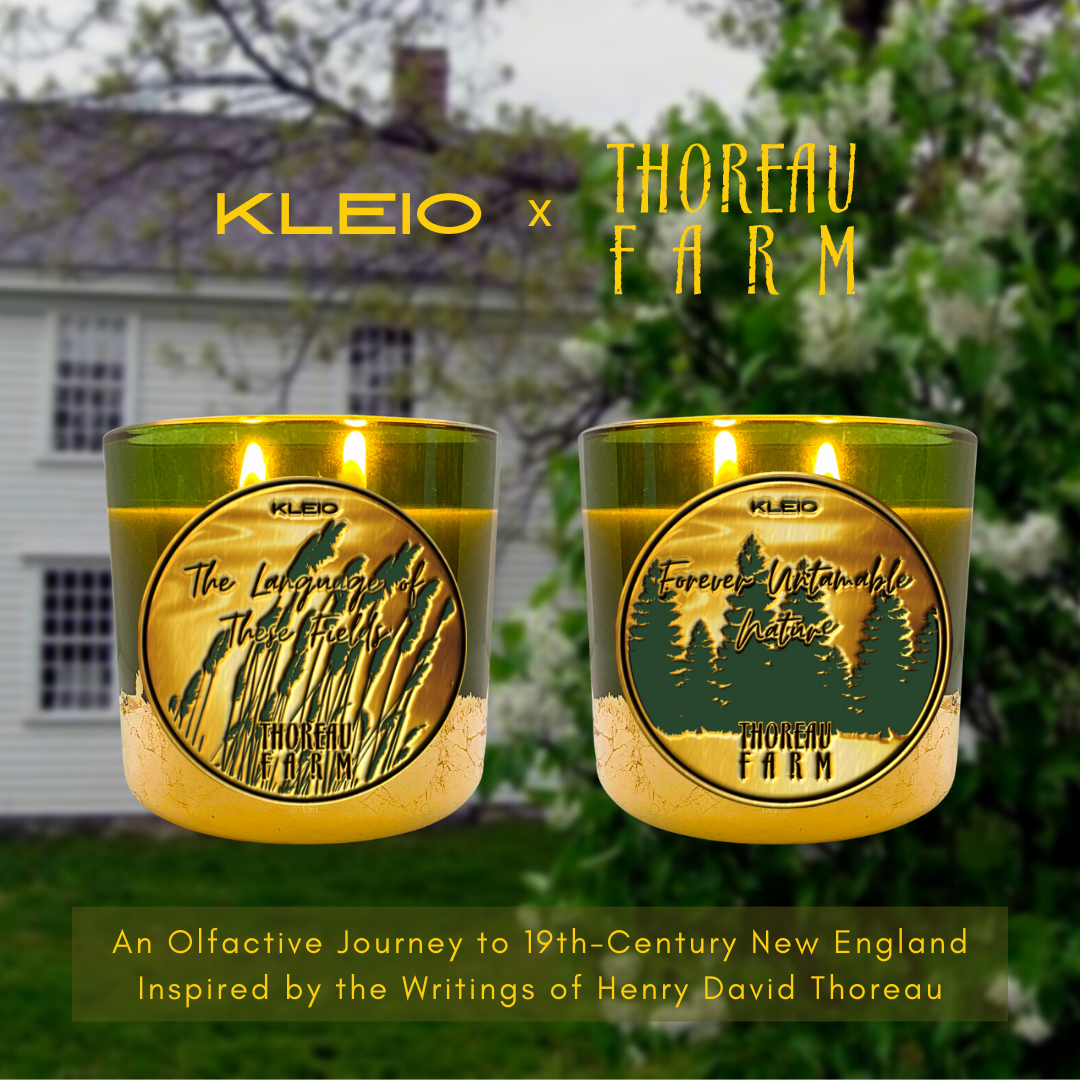
Travel back to 19th-century New England and experience Henry David Thoreau’s olfactive world as detailed in his writings with this luxury candle collection.
The KLEIO x Thoreau Farm Luxury Candles Collection. Named after the Ancient Greek muse of history, KLEIO brings the past to life by recreating the aromas of olfactive history in candle form, illuminating a particular place in time. Candles from this collaboration transport you back to 19th-century New England, recreating Thoreau’s olfactive world as detailed in his writings.
Learn More about the Candle Collection
 What Would Henry Do? BOOK SERIES

Thoreau Farm’s book series is aimed at exploring the question: if Henry David Thoreau were alive today, what would HE think, what HE say, what would HE do?
Learn More about this Book Series
Order What Would Henry Do? Volume One
Order What Would Henry Do? Volume Two
 Don’t miss many insights about Thoreau’s enduring lessons that can be found in The Roost: The Blog at Thoreau Farm
Please check back or sign up for our newsletter to keep updated on our programs and events.
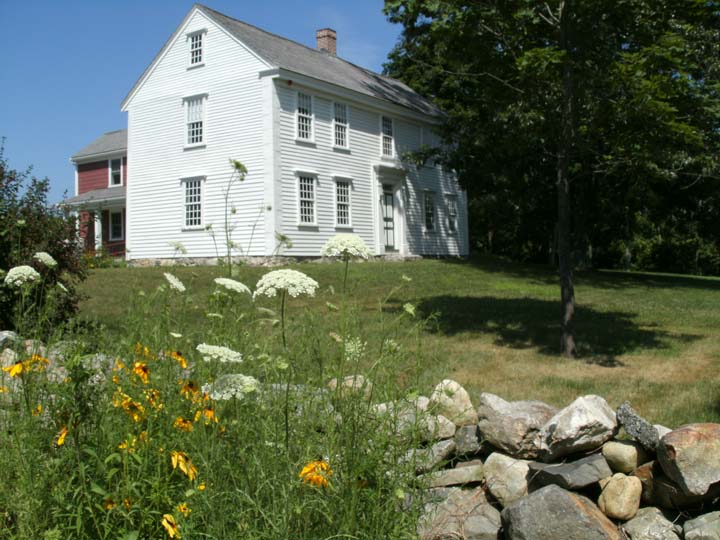 The Thoreau Farm Trust, a nonprofit organization, is committed to preserving Thoreau’s birth house. We believe Thoreau’s extraordinary insights into life, nature, and social responsibility are as relevant today as they were during his lifetime. We hope you will find his birthplace a source of inspiration for living deliberately, practicing simplicity, and exploring new ideas for positive change.